
The 18,000-Foot Baseline: Everest Base Camp and the Psychology of Risk
The decision to hike to Everest Base Camp is driven by deeply rooted psychological DNA. Glatt Consulting's founder shares his personal Risk Type Compass data and the reality of the Himalayas.

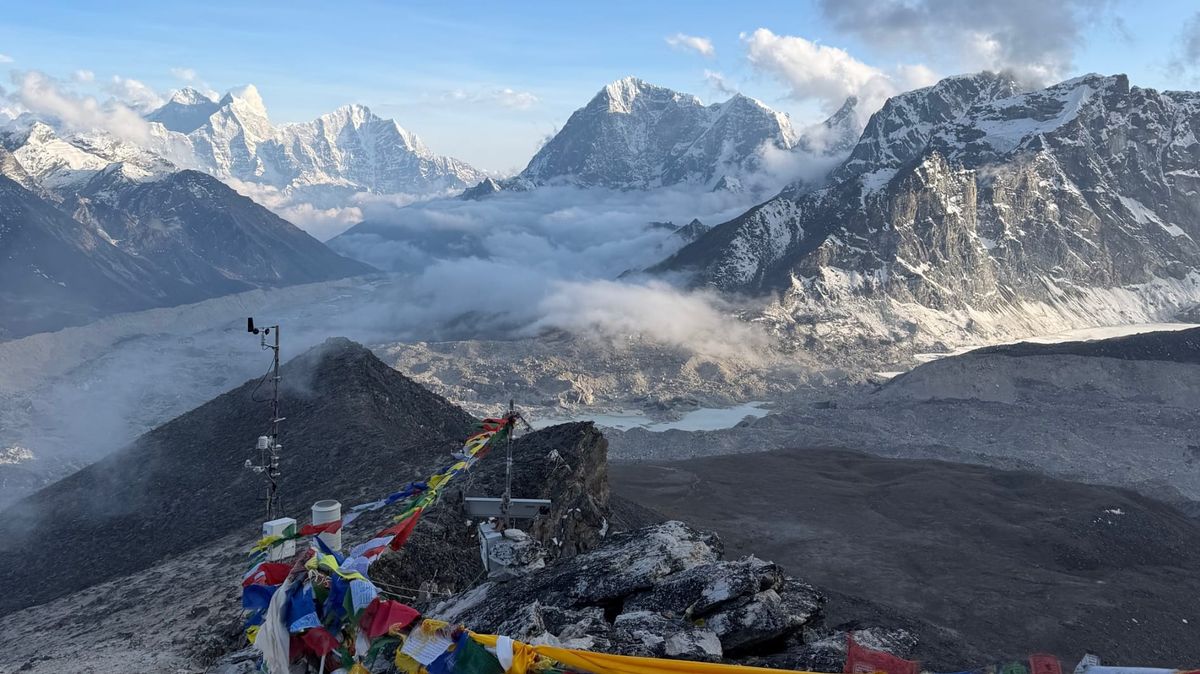
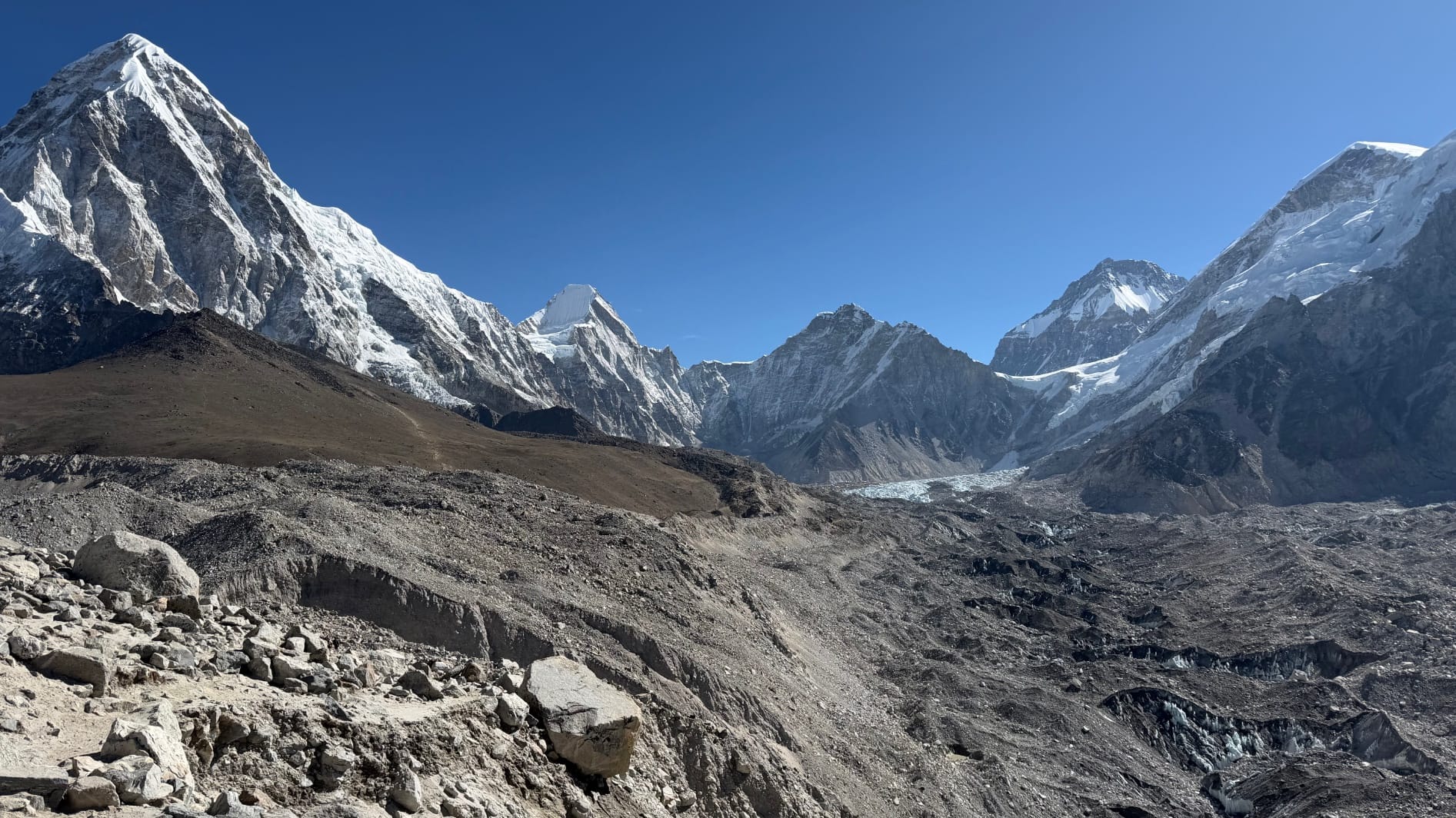
The panoramic photograph at the top of this post was taken from the summit of Kalapatthar, the 18,519-foot ceiling of my recent trek in the Himalayas. On May 22, 2026, I executed a "Triple Push". Over the course of a single day, I hiked to Gorakshep, pushed onward to Everest Base Camp at 5,364 meters, and then turned around to summit Kala Patthar at 5,644 meters. The data from that day recorded over 9.5 hours of active moving time and roughly 4,000 feet of vertical gain at exactly 50% of sea-level oxygen.
Since I returned people have ask me why I would choose to subject myself to this type of "extreme" environment. The answer to this question is deeply personal, rooted entirely in my psychological DNA.
The Adventurous Baseline
A tool I use frequently in my executive practice is the Risk Type Compass. The RTC was developed by Geoff Trickey and Psychological Consultancy Ltd (PCL) to decode the psychology of risk, and it provides a clear, objective window into human behavior. My personal assessment identifies me as a moderate example of the "Adventurous" Risk Type. This psychological profile is characterized by fearlessness, an attraction to stimulating challenges, and a constitutional calmness. My Risk Tolerance index (RTi) sits at 72, placing my overall comfort zone securely in the "High Risk" category.
The assessment also measures Risk Attitude, which dictates how life experiences influence behavior across specific domains. My data shows I am quite comfortable taking risk in the Social area, followed closely by a high tolerance for risk in the Recreational and Health & Safety domains.
This specific psychological disposition drives a persistent pursuit of physical challenges. In 2022, I hiked to the summit of Mt. Kilimanjaro. For this recent Himalayan trek, my preparation began in the winter of 2025. I trained in my Wilmington, NC home (at sea level, no less) using adjustable dumbbells, a ProForm bike, and a Velor board. By April 2026, I was carrying a 20.5 lb pack up 1,586 feet of vertical elevation on a local parking deck to condition my cardiovascular system. The drive is continuous; at this very moment, I am already planning my next expedition.
The Confrontation with Reality
The Risk Type Compass also objectively identifies our blind spots. The downsides of an Adventurous disposition include a tendency toward unrealistic optimism and an occasional feeling of being indestructible. The Himalayas provided a harsh reality check for that optimism.
The physical cost of my May 22 Triple Push was pretty heavy. The following day, as I descended 2.62 miles from Gorakshep to Lobuche, the altitude and glycogen depletion forced me to a physical wall. I was completely out of gas. My inherent optimism had carried me to the summit, but it could not rewrite the biological reality of extreme exhaustion and oxygen deprivation.
The Necessity of Balance
This moment on the mountain illustrates why leaders need balance around them. Left to my own Adventurous devices, my optimism might have pushed me to continue on foot, risking physical failure and extended hours at a relatively high altitude.
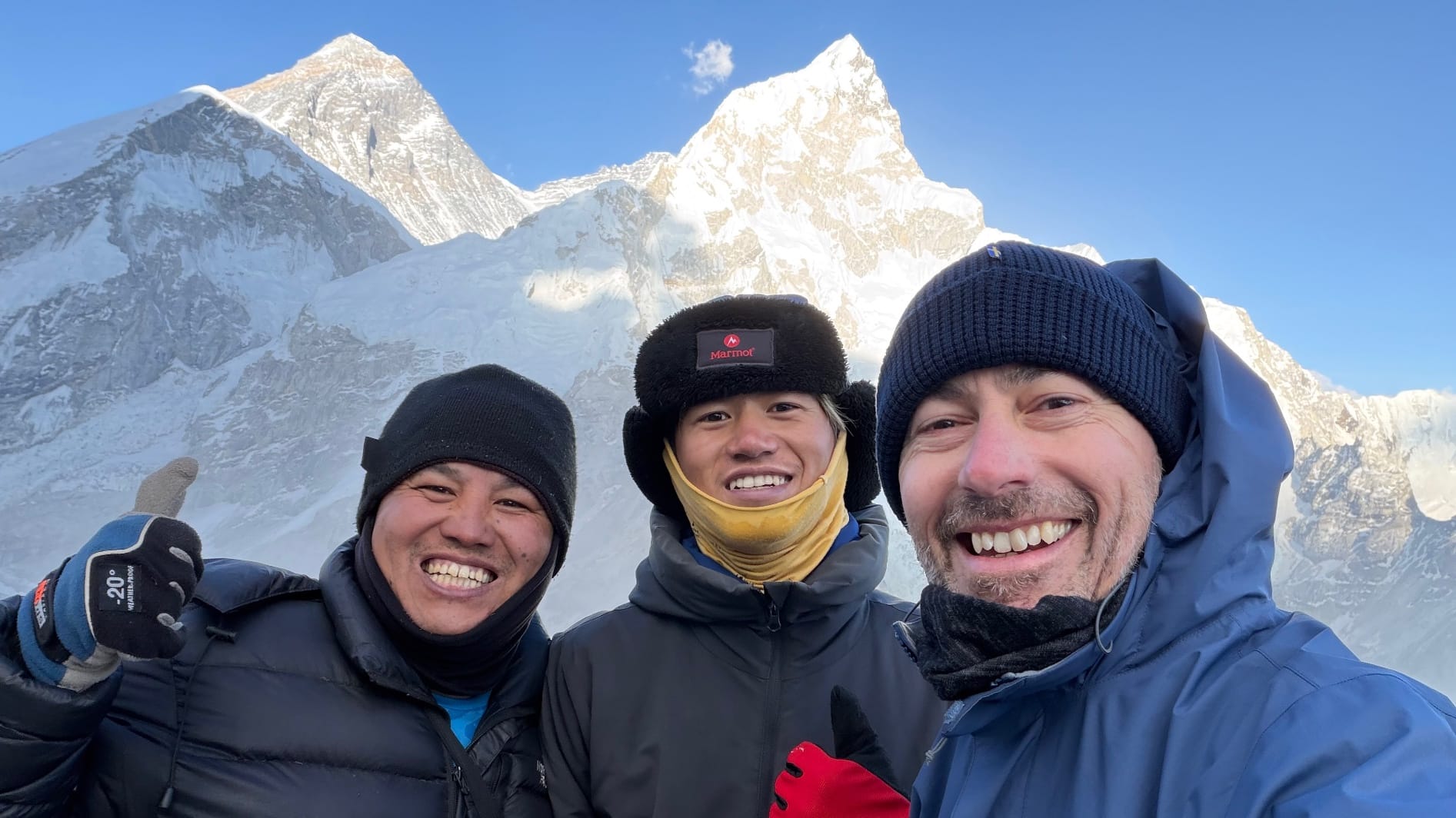
My guide, Lal Bahadur Gurung, provided the grounded, pragmatic counterweight I needed (I've included a photo of Lal, Sangey, one of our porters, and me below). He ran the math on my pace and calculated that, at my level of exhaustion, it would take an agonizing 10 additional hours to reach Pangboche. He recognized that I simply needed a break. Leaving me on my feet for that duration was an operational risk he was unwilling to take. He pulled a tactical audible and instructed me to get on a horse.
I surrendered my ego to the reality of the elevation and rode the horse from Lobuche to Pangboche. That tactical intervention provided the exact recovery window I needed. After that break, I was ready to walk the rest of the way. The following day, I hiked 8.48 miles from Pangboche to Namche Bazaar, navigating 2,107 feet of elevation gain. On May 25, I pushed another 11.52 miles from Namche to the airstrip in Lukla. I successfully crossed the finish line - and returned home 12 pounds lighter.
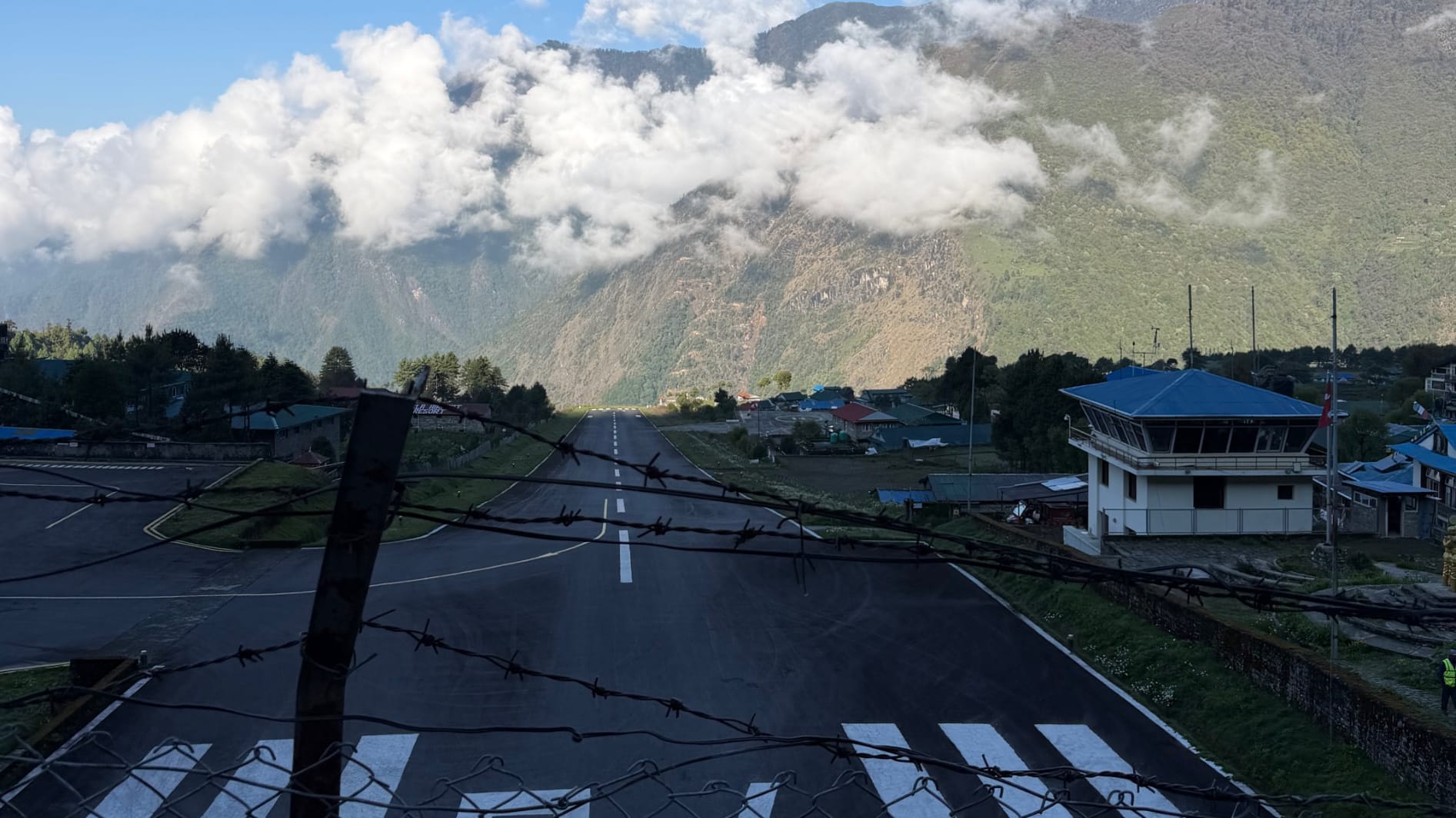
(By the way, finishing the trek at Lukla means flying out of Tenzing-Hillary Airport. Carved into the side of a mountain at over 9,300 feet, it features a runway roughly 1,700 feet long with a steep 11.7% gradient, ending in a sheer drop. It is widely recognized as one of the most dangerous airports in the world. I've included a photo below).
Understand Your Disposition
The Risk Type Compass helps us understand exactly why we behave the way we do, and why surrounding ourselves with different dispositions is critical for success. I am naturally wired to push boundaries, but I survived the descent because I had a leader next to me willing to enforce operational limits.
Want to understand your own psychological baseline and how it impacts your executive decision-making? Contact us today to set up your personal Risk Type Compass assessment.
More Hiking Pics
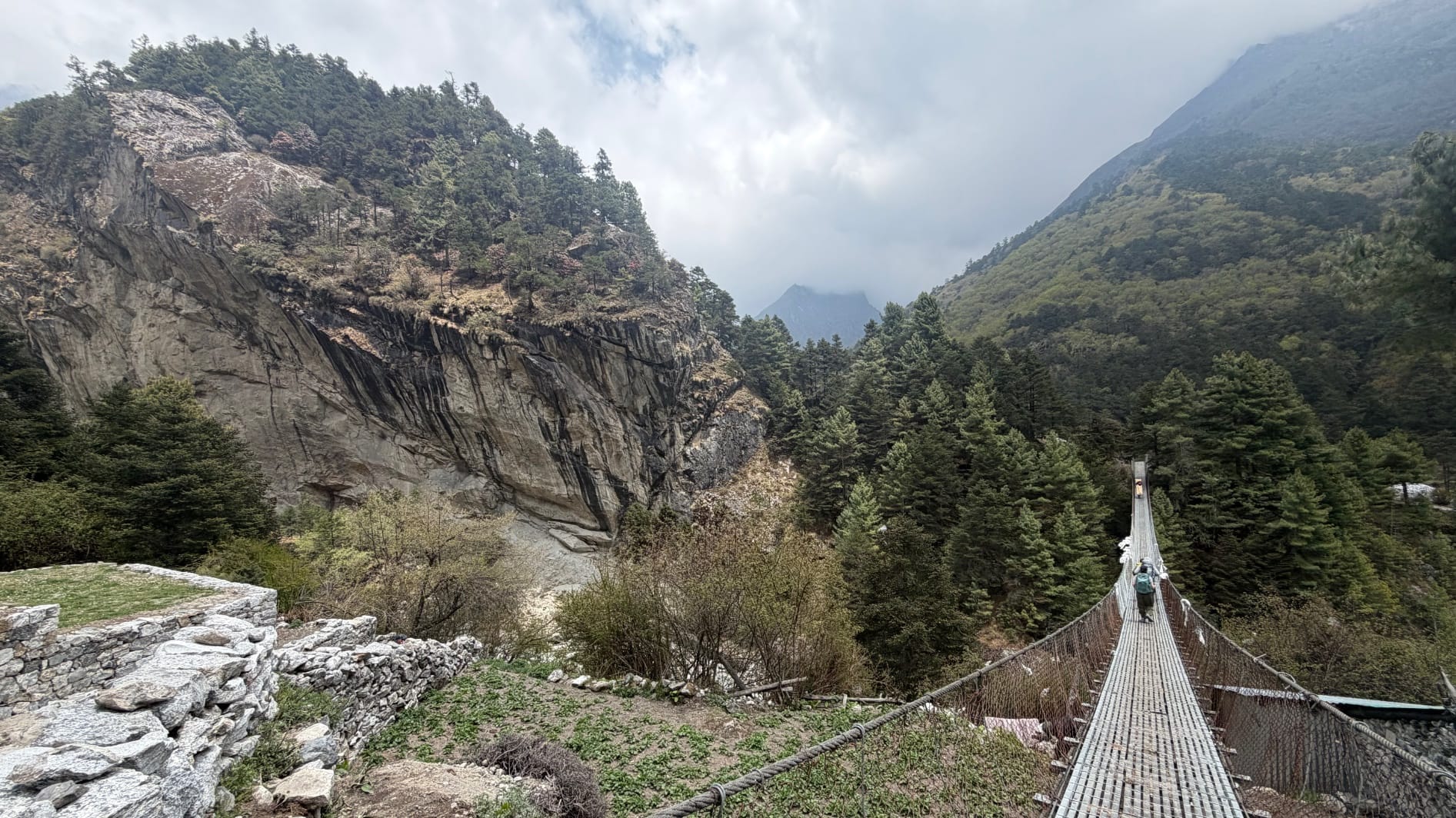
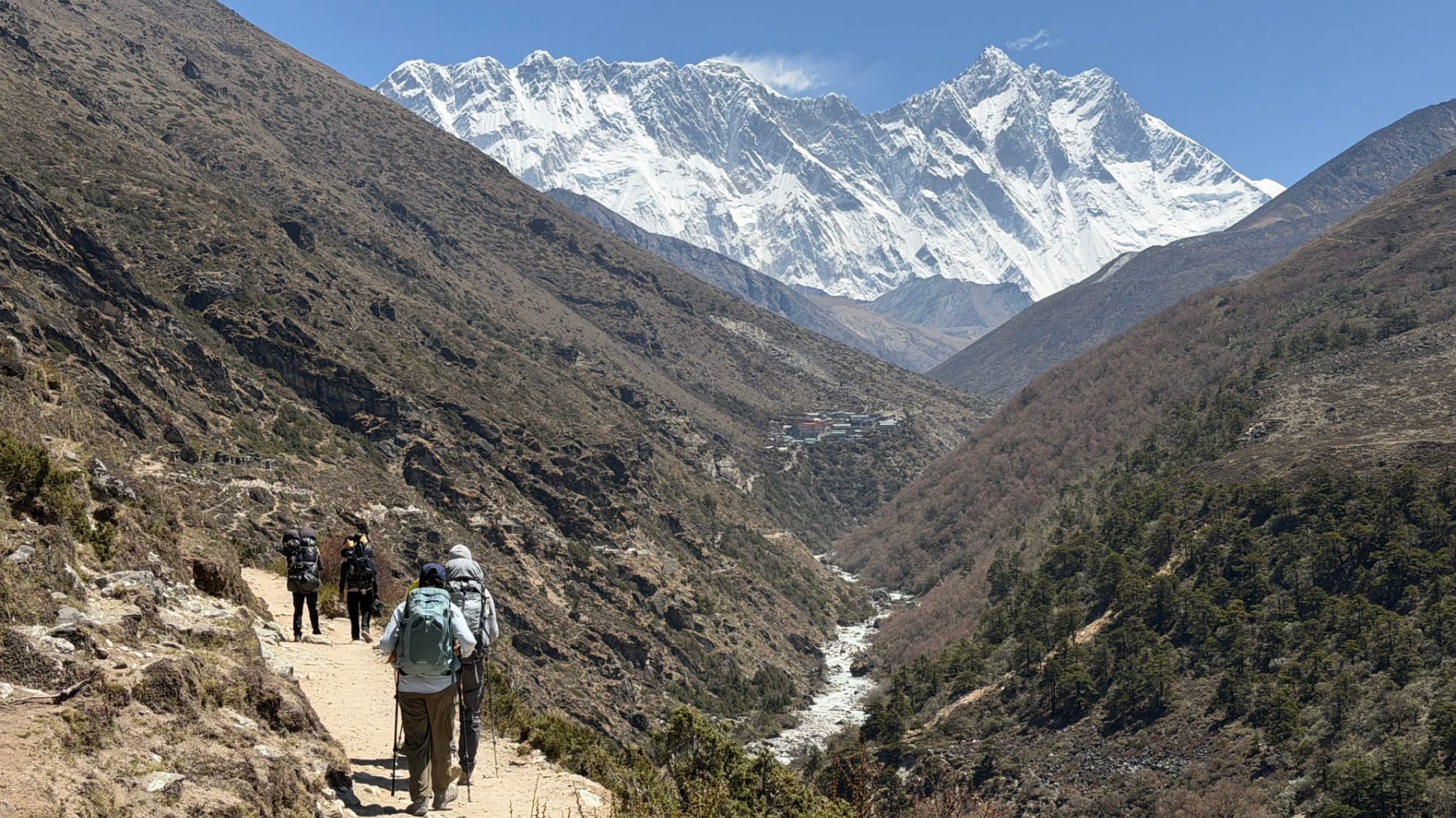
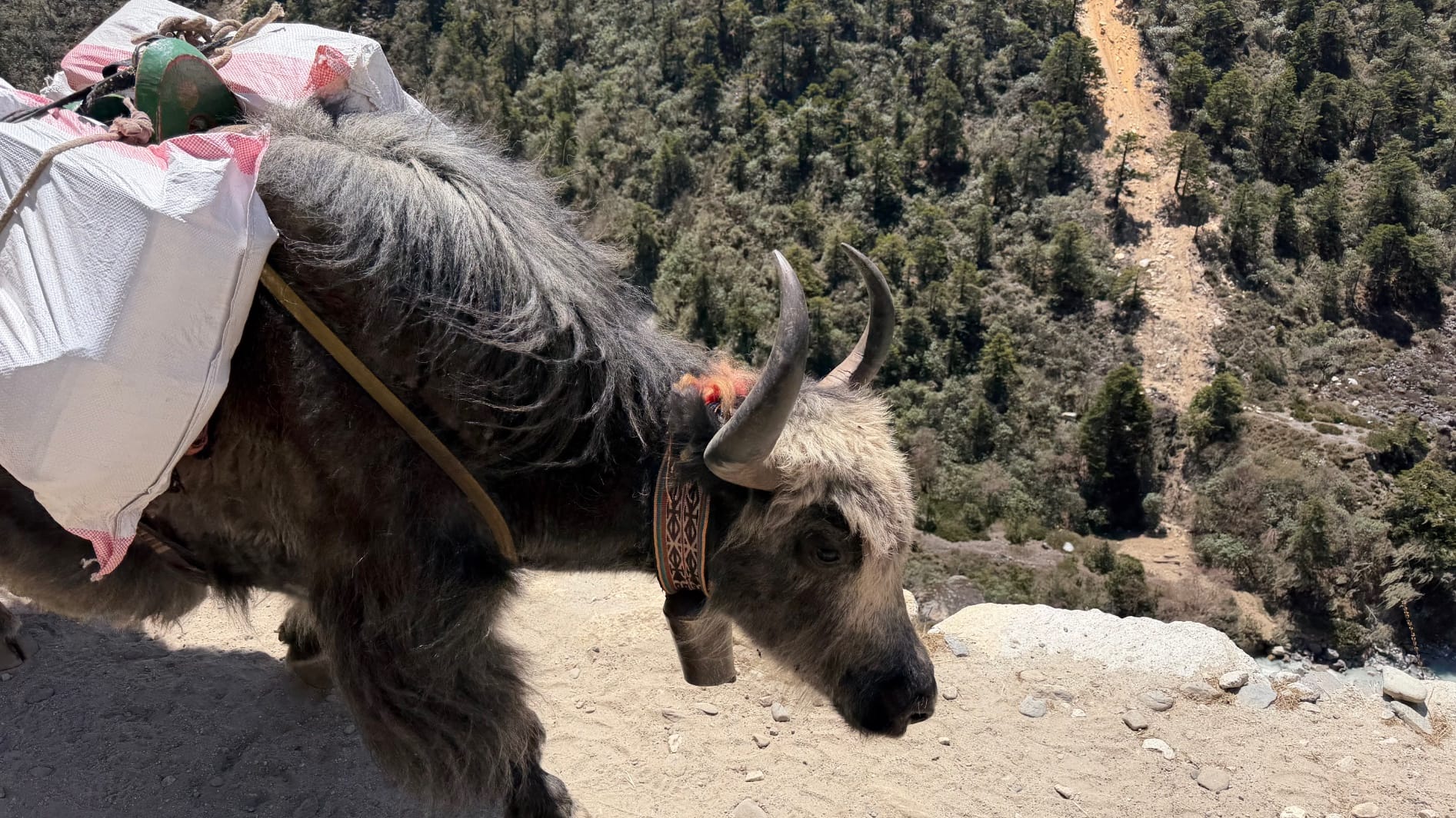
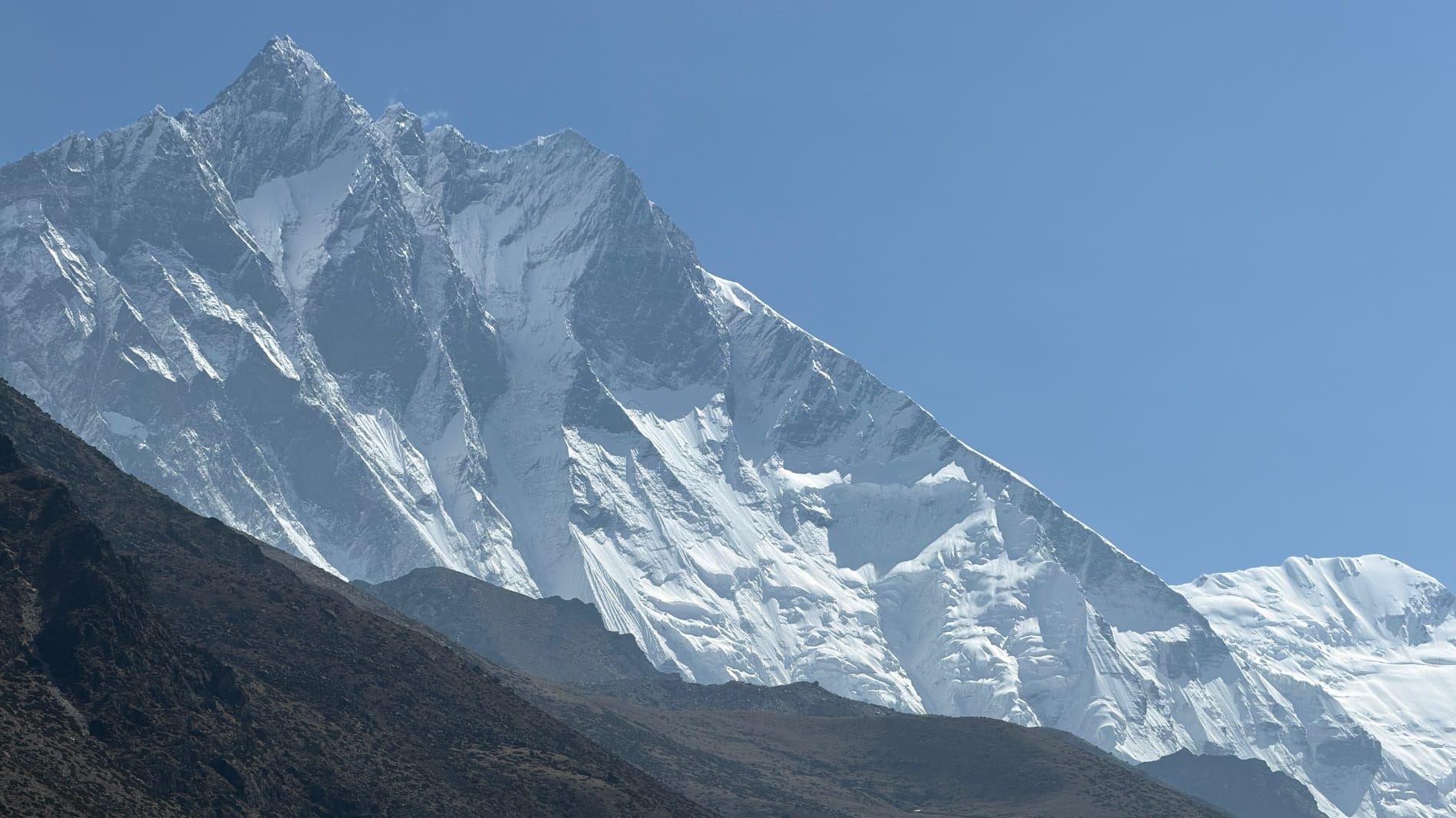
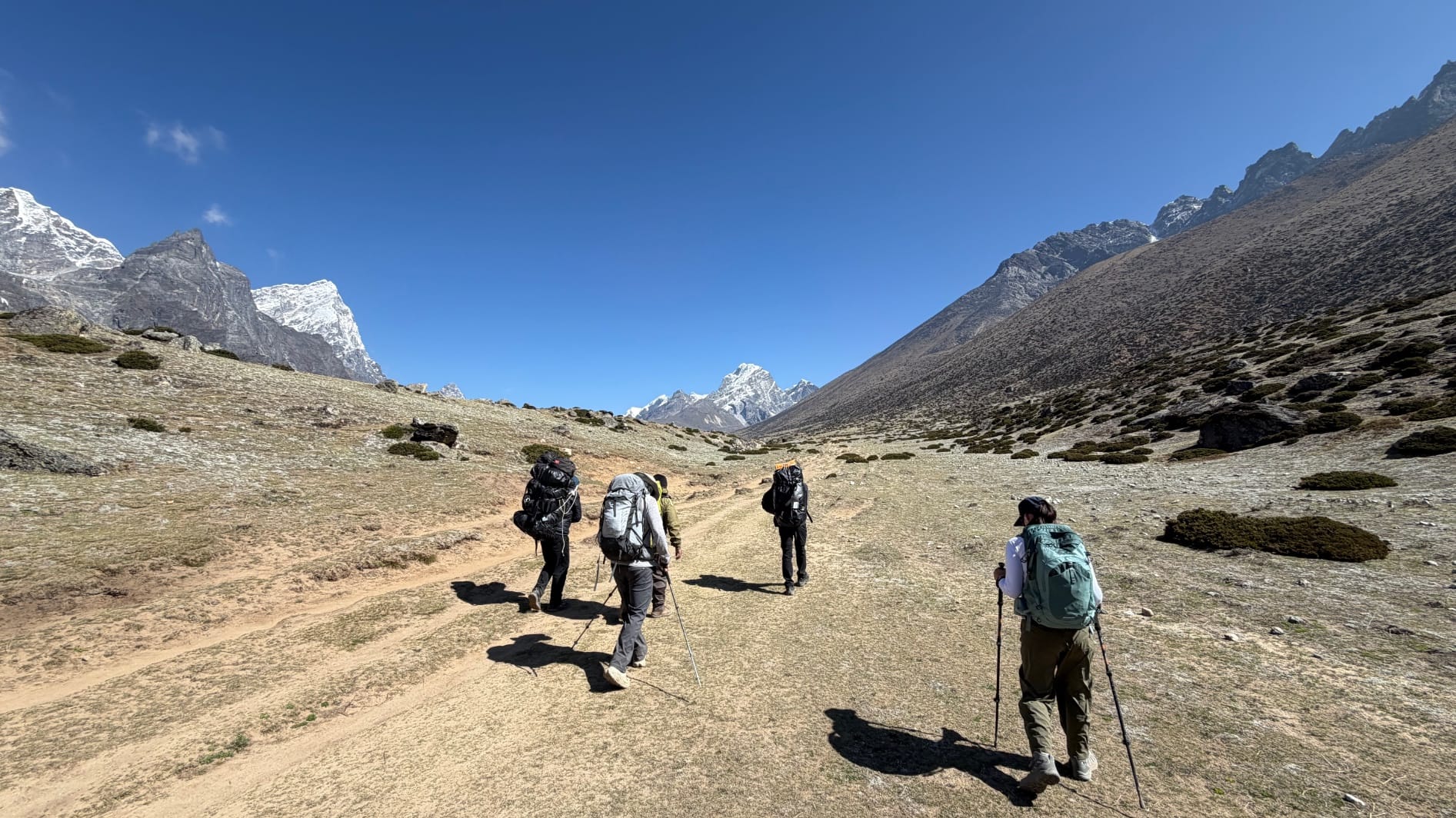
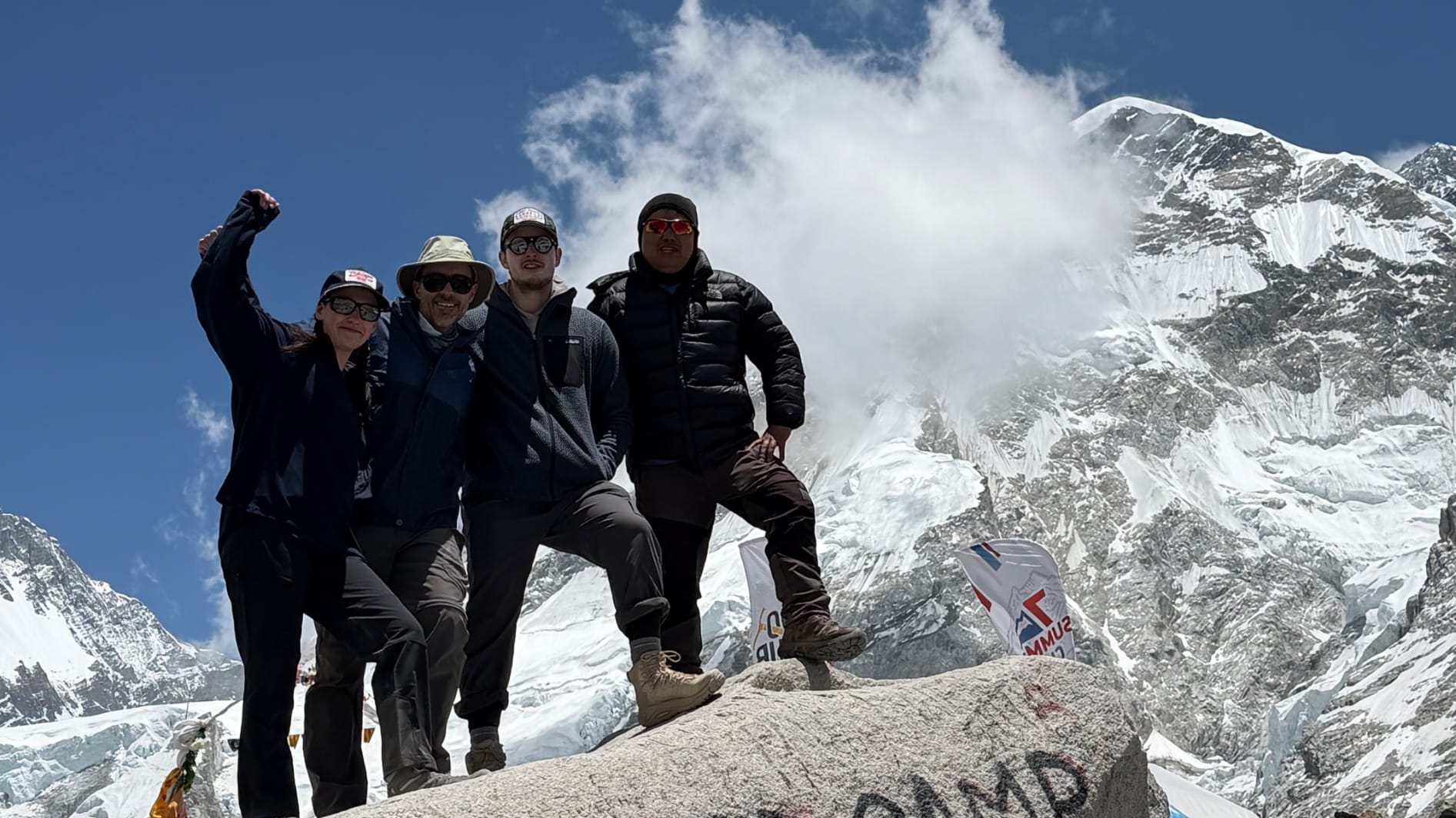
For those interested in the visual reality of the trek, I have included a few additional photos below. They capture the raw terrain of the Himalayas, the sheer scale of the environment we navigated, and our successful arrival at EBC!
The Many Faces of the Himalayas